Bringing Spring to Your Screen: The Bunny Day Font
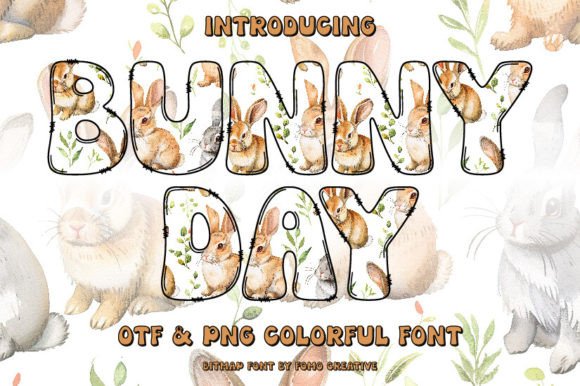
In the crowded world of digital assets, finding a typeface that genuinely captures a specific mood can be a game-changer for your project. Bunny Day is a captivating color font that exudes charm and playfulness in every letter. It’s not just a typeface; it’s a visual celebration, designed to inject a sense of joy and whimsy into any creative endeavor. With its lively and vibrant hues, this font adds a delightful touch to various designs, from invitations to posters. Its whimsical characters and colorful palette make it perfect for projects that seek to evoke joy and creativity, setting it apart from the standard monochrome options that fill our design libraries.
Understanding the Visual Appeal of a Color Font
Unlike traditional fonts that are rendered in a single color (usually black), a color font like Bunny Day contains multicolor information within the font file itself. This means the characters can feature gradients, textures, and multiple hues right out of the box. Visually, Bunny Day leans heavily into a playful aesthetic. It often resembles a handwritten font or a script font, but with the crispness of vector graphics. The strokes are typically bold, ensuring the intricate color details remain visible even at smaller sizes.
The personality of this typeface is undeniably cheerful. It evokes the freshness of spring and the excitement of a celebration. For designers, this is a powerful tool. Instead of spending time applying complex layer styles or textures to text to achieve a festive look, Bunny Day delivers that "premium font" experience instantly. It bridges the gap between typography and illustration, allowing you to treat your headlines as central graphic elements rather than just functional text.
Where This Creative Font Shines Brightest
Identifying the right context is crucial when working with a display font as distinct as this one. Because of its high visual impact, Bunny Day is best suited for headlines, hero text, and branding elements where you want to grab attention immediately.
- Event Branding and Invitations: This is perhaps the most natural fit. Whether you are designing digital invites for a birthday party, a baby shower, or a seasonal sale, this typeface sets the mood instantly. It works exceptionally well for Easter-themed marketing materials, adding a professional yet festive flair that generic sans serif fonts cannot match.
- Packaging Design: If you are a small business owner selling artisanal goods, cosmetics, or children’s products, packaging is your silent salesperson. Bunny Day can make your product labels pop on the shelf. It suggests that the product inside is fun, high-quality, and made with care.
- Social Media Graphics: In the fast-paced environment of Instagram or TikTok, you have milliseconds to stop the scroll. The colorful nature of this font acts as a visual magnet. It is perfect for quote graphics, announcement banners, and story highlights that need to convey excitement or positivity.
- Logo Design: While a serif font might convey tradition and a sans serif font suggests modern minimalism, Bunny Day communicates creativity and approachability. It is an excellent choice for logos in the creative industry, bakeries, or lifestyle brands targeting a family-oriented audience.
Strategic Typography: Influence on Brand Perception
Typography is rarely just about aesthetics; it is a psychological trigger. The font you choose tells a story about your brand before the customer reads a single word of your copy. Using a typeface like Bunny Day influences how your audience perceives your brand identity.
When you incorporate this font into your editorial design or marketing collateral, you are signaling that your brand values creativity, joy, and approachability. It breaks down the barrier of corporate stiffness. For a content creator or blogger, using Bunny Day in your graphics can help establish a consistent, recognizable visual language that followers associate with positive feelings.
However, the influence on readability and visual hierarchy must be managed carefully. As a display font, it is designed for impact, not for long-form reading. You would not use Bunny Day for a paragraph of text on a website; the colors and complex shapes would tire the reader's eyes. Instead, it should be used to create a strong visual hierarchy. Pair it with a clean, neutral serif font or a simple sans serif font for body copy. This contrast allows the playful header to stand out while ensuring the rest of the content remains legible and professional.
Practical Guidance for Implementation
Integrating a color font into your workflow requires a slightly different approach than standard typography. Here is some practical advice for designers and entrepreneurs looking to leverage Bunny Day effectively.
- Testing Font Pairings: Because Bunny Day is so vibrant, it needs a "quiet" partner to balance the composition. Try pairing it with a geometric sans serif font like Montserrat or a classic serif font like Lora. The goal is to let the colorful headline do the heavy lifting while the body text provides stability.
- Evaluating Project Fit: Ask yourself if the tone of your project matches the personality of the font. If you are designing a legal contract or a corporate finance report, this is the wrong choice. If you are designing a flyer for a community fundraiser or a header for a lifestyle blog, it is an excellent fit.
- Checking Compatibility: While modern typography support for color fonts is widespread (including in major design software and web browsers), it is always wise to check how the font renders on different devices. Ensure that the design assets you create look good on both high-resolution screens and standard displays.
- Licensing and Usage: As a premium font, Bunny Day typically comes with a license that covers specific types of use. Before using it in a logo for a client or on mass-produced merchandise, verify the commercial license details. Respecting these terms ensures you can use the font confidently in your professional work.
Ultimately, Bunny Day is more than just a collection of colorful glyphs; it is a tool for connection. It allows you to speak a visual language of happiness and creativity. By using it strategically, you can transform a mundane design into something memorable, ensuring your brand stands out in a sea of standard text.