Bring Classic Charm to Your Projects with the Notebookpaper Font
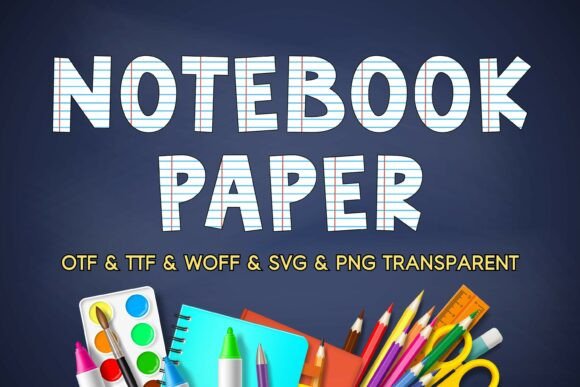
There's a specific, warm nostalgia tied to the faint blue lines and slightly off-white texture of a classic composition notebook. It’s a feeling of potential, of ideas waiting to be jotted down, of homework assignments and creative sketches. The Notebookpaper font captures this exact sentiment, transforming the familiar grid of a notebook page into a playful and vibrant typeface. This isn't just a collection of letters; it's a complete visual texture that instantly injects personality and tactile energy into any design.
As a creative professional, you know that the right font does more than just present information—it sets a tone. Notebookpaper is designed to be cheerful, approachable, and full of character. Its visual style mimics handwritten text on ruled paper, complete with the subtle imperfections that give it an authentic, human touch. This makes it a standout choice for projects that need to feel personal, educational, or delightfully informal. It’s a display font at heart, perfect for headlines, titles, and short, impactful statements where its unique style can truly shine.
Where Does This Playful Typeface Work Best?
The true strength of a creative font like Notebookpaper lies in its versatility across a range of applications. Its inherent cheerfulness makes it a natural fit for educational materials, where it can make worksheets and classroom posters feel more engaging for students. Teachers and content creators in the education space can use it to design resources that are both functional and fun.
Beyond the classroom, its applications are surprisingly broad:
- Branding and Packaging: For small businesses, especially those targeting a younger audience or emphasizing a handmade, back-to-basics ethos, this font can be a cornerstone of a brand identity. Think of a stationery brand, a children’s clothing line, or a local bakery’s packaging design. It communicates warmth and authenticity.
- Marketing and Social Media: In a crowded digital feed, Notebookpaper stops the scroll. It’s excellent for social media graphics, creating quote cards, announcements, and stories that feel personal and relatable. It can add a layer of charm to email headers and digital flyers that more sterile, modern typography might miss.
- Publishing and Editorial Design: While not suited for long-form body text, it’s a fantastic accent font in editorial design. Use it for chapter titles in a young adult novel, pull quotes in a magazine, or the title of a blog post to immediately establish a friendly, conversational tone.
- Personal and Craft Projects: For hobbyists and crafters, Notebookpaper is a dream. It’s perfect for creating custom party invitations, scrapbook elements, bulletin board decorations, and unique gifts. The included transparent PNG files make it incredibly easy to layer over other design elements in programs like Silhouette.
Making the Most of Notebookpaper in Your Workflow
Choosing a font is a strategic decision. To get the most out of this premium font, it’s important to think about its role within your project’s larger visual language. Because it has such a strong personality, using it for all text would be overwhelming. Instead, treat it as a headline or accent font. Pair it with a clean, highly legible sans serif font for body copy. A combination like Notebookpaper for a headline and a font like Lato or Open Sans for descriptions creates a perfect balance of personality and readability.
Before you commit, always test how the font feels in context. Does its playful nature align with your project's goals? A font pairing that works for a children's party invitation won't be right for a corporate report, but for the right project, it's pure gold. Review the included file formats: the OTF and TTF files are your primary workhorses for most design software, including Photoshop and Illustrator. The SVG and high-resolution PNGs offer fantastic flexibility for digital projects and crafting, ensuring you have the right design assets for any platform.
A Note on Compatibility and Licensing
As a color font built with OpenType-SVG technology, Notebookpaper delivers its vibrant, textured look directly within the font file. This is a powerful feature, but it’s important to know which programs support it. You’ll have full functionality in applications like Adobe Photoshop, Illustrator, Affinity Designer, and Inkscape. However, it's crucial to understand that the standard OTF and TTF files are not compatible with some cutting machines like Cricut, which cannot process the embedded color data. For those applications, the included SVG and PNG files are the perfect solution.
Finally, always ensure your use aligns with the font's license. For most commercial projects—from a client’s logo design to products you sell online—a standard commercial license is required. This is standard practice for any professional typeface