Why Bubble Tea Party is Your Next Favorite Design Asset
A Typeface That Captures Pure Joy
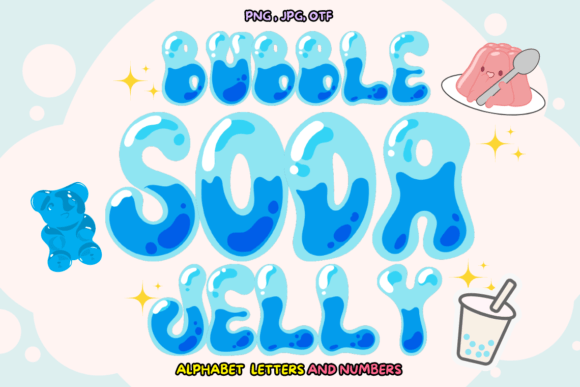
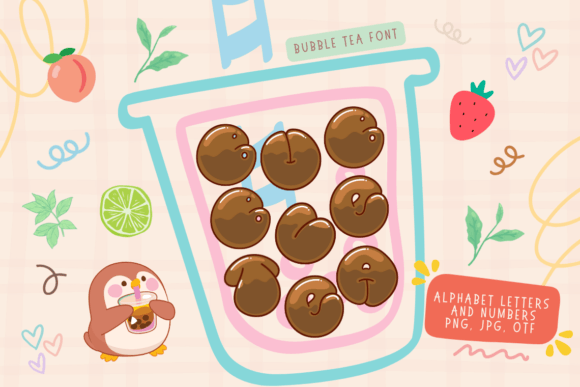
There are fonts that communicate, and then there are fonts that evoke a feeling. Bubble Tea Party firmly plants itself in the latter category. Inspired by the vibrant, tactile experience of sipping a classic boba drink, this typeface is less about corporate seriousness and more about unadulterated fun. Visually, it’s characterized by rounded, soft letterforms that mimic the shape of tapioca pearls. The characters often feature a subtle, playful bounce in their baseline, giving text a rhythmic, energetic quality that immediately draws the eye.
The personality of this premium font is unmistakably youthful, energetic, and sweet. It doesn't just sit on the page; it interacts with it. The color font technology (OpenType-SVG) allows for integrated gradients and textures that can simulate the look of a glossy, bubble-filled treat. This moves it beyond a standard display font into a piece of illustrative art. For designers tired of flat, one-dimensional text, Bubble Tea Party offers a three-dimensional, sensory experience that standard serif font or sans serif font options simply cannot match.
Strategic Applications: Beyond the Cute Factor
While its charm is immediate, the real value of a creative font like Bubble Tea Party lies in its strategic application. Its bold, graphic nature makes it a powerhouse for specific project types where grabbing attention is the primary goal. Think of it as a visual exclamation point for your brand or publication.
Branding and Identity with Personality
For businesses targeting a younger demographic or those in the food, beverage, or lifestyle sectors, this font can become a cornerstone of a memorable brand identity. A small business owner launching a dessert shop, a trendy café, or a line of fun accessories could use Bubble Tea Party for their primary wordmark or logo. It instantly communicates the brand's ethos: playful, approachable, and modern. However, a key design observation is to use it sparingly. Pairing it with a clean, geometric sans serif font for body text ensures readability while letting the logo design remain the star. This contrast creates a professional and balanced visual hierarchy.
Marketing That Pops
In the fast-scrolling world of social media, stopping power is everything. Bubble Tea Party excels in social media graphics, particularly for Instagram Stories, TikTok overlays, and promotional banners. Its inherent energy can boost audience engagement by making content feel more dynamic and relatable. Imagine a sale announcement or a "New Arrivals" post where the headline bursts with this font's color and texture—it’s far more likely to pause a thumb than a standard bold typeface. For packaging design, it can be used for product names or key features on items aimed at a fun-loving market, adding a tactile, joyful quality to the physical product.
Digital and Editorial Flair
Beyond marketing, this modern typography choice finds a home in editorial design. A lifestyle magazine or a food blog could use it for pull quotes, section headers, or article titles to inject personality and break up long blocks of text. In web design, it can be a fantastic accent font for buttons, call-to-action phrases, or event announcements, guiding the user's eye with its playful shape. The key is context; it’s perfect for a craft blog or a youth-focused e-commerce site but would feel out of place on a legal firm's homepage.
Making the Most of This Playful Typeface
Adopting a specialty font like Bubble Tea Party requires a thoughtful approach to ensure it enhances rather than overwhelms your project. Here’s a practical guide to integrating it effectively.
Evaluating Project Fit and Readability
First, assess the core message of your project. Is it meant to be joyful, whimsical, and informal? If yes, this font is a strong candidate. If the project requires authority, tradition, or minimalist elegance, you should look elsewhere. Its strength is in its personality, so forcing it into a mismatched context will create dissonance for your audience. Readability considerations are also paramount. As a display font, it’s designed for headlines and short phrases, not for long paragraphs. Using it for body copy would severely hinder legibility and tire the reader's eye.
Mastering Font Pairing
The art of font pairing is where Bubble Tea Party truly shines. Its exuberant character needs a stable, quiet partner to achieve professionalism and clarity. For a harmonious balance, pair it with a neutral, highly legible sans serif font like Open Sans, Lato, or Montserrat. This allows the playful font to capture attention while the supporting font carries the detailed information. For a more daring, contemporary feel, some designers pair it with a clean script font for a secondary element, but this requires careful testing to avoid visual clutter. Always create test layouts to see how the fonts interact in size, color, and spacing.
Understanding the Technicals and Licensing
Before purchasing, it’s crucial to understand the product's technical specifications. Bubble Tea Party is a color font (OpenType-SVG), which means its vibrant, textured appearance is embedded in the file. This requires compatible software. The product notes compatibility with Photoshop, Illustrator, Silhouette, and Inkscape, but explicitly states it is not compatible with Cricut. This is a vital check for crafters and hobbyists. Furthermore, always review the commercial font license included with your design assets. Ensure it covers your intended use, whether for client work, merchandise, or digital products. A responsible designer always clarifies licensing to protect both their work and their clients.
In the end, Bubble Tea Party is more than just a handwritten font alternative; it's a targeted tool for injecting specific emotional resonance into a design. Used with intention and an understanding of its strengths, it can transform a mundane project into something memorable, engaging, and full of personality. It’s a testament to how the right typeface can do much more than convey words—it can set the entire mood for a brand or campaign.